Salas Biomagnetic Foundation
Biomagnética Salas is committed to providing care within communities and supporting health maintenance through prevention programs aligned with our times and social reality.
We are a group concerned with the common good, discovering that our daily work can expand without limits toward solving the problems faced by the most vulnerable population groups.
Mission
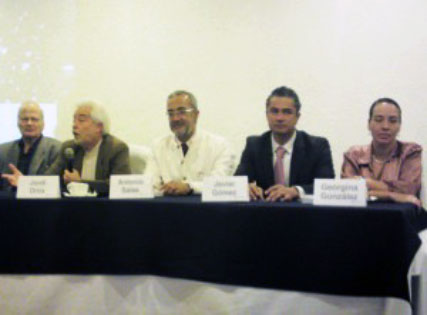
To promote, disseminate, and expand the biomagnetic health model created by Mr. Antonio Salas, focused on disease prevention through active assistance programs for underserved communities, thus providing them with a self-managed healthcare system that traditional assistance models have not yet been able to offer.
Vision
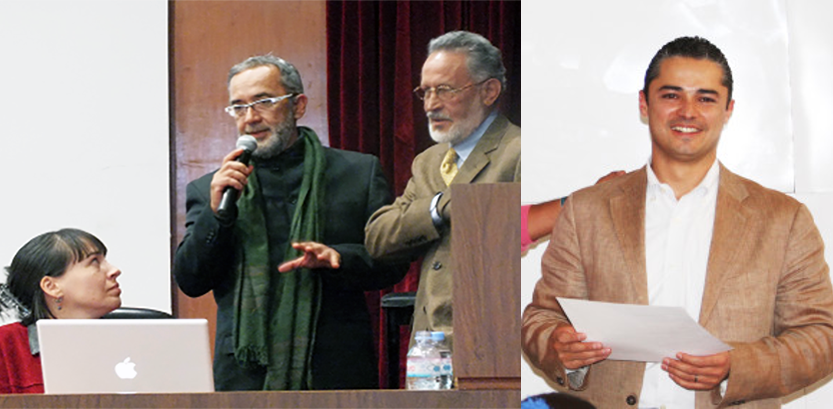
To become an efficient and recognized organization through the care provided to the most underserved communities in our country, supporting groups in crisis. To create a movement for health, awareness, and life.
Objective
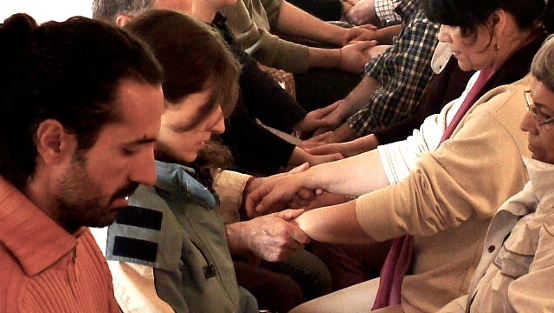
To create a non-profit scientific, cultural, ecological, and social research center dedicated to community service, where educational workshops and clinical care will be provided. The center will also include spaces for a homeopathic laboratory and a library containing reference materials, informational archives, and related resources.
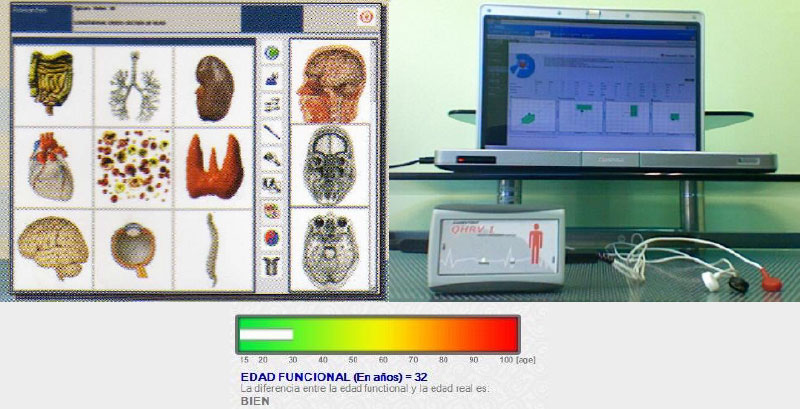
METATRON – Nonlinear Magnetic Resonance (NLS) Evaluates the condition of the body and tissues, tendencies toward pathologies, involved pathogens, and tests medications, foods, and allergens.
QHRV-1 Measures functional age, stress levels, arterial age, and overall health status.
SOME FIGURES ON THE HEALTH SITUATION IN MEXICO (2014–2015–2024–2025)
Situation in Mexico
Objective
The government spends 3.5 billion dollars, while citizens spend 4.3 billion dollars, totaling 7.8 billion dollars annually on healthcare expenses.


Workers with chronic non-communicable diseases (NCDs) in Mexico represent productivity losses equivalent to 5.3% of the country’s GDP.
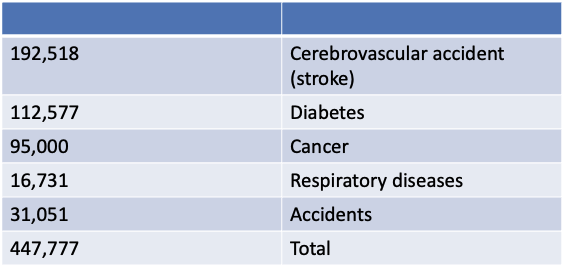
Each year in Mexico, 98,777 people die from diabetes, 210,880 from cerebrovascular and cardiovascular diseases, and 90,000 from cancer, totaling 399,765 deaths annually.
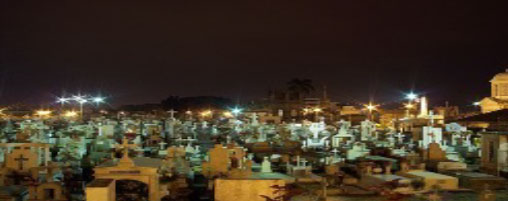
An estimated 55,000 deaths could be unnecessary and potentially preventable through an adequate and updated prevention program such as the one proposed here.
Sources: INEGI, WHO, Directorate of Biomedical Sciences at UNAM, General Coordination of Transplants, General Hospital of Mexico (2007), Dr. Pedro Sancristóbal.
- 119,103 deaths from heart disease each year.
- 98,777 deaths from diabetes.
- 210,880 deaths from cerebrovascular and cardiovascular disorders.
- 17,000,000 people with diabetes, but only 4,000 are aware of their condition.
- 2nd highest obesity rate worldwide.
- The government invests 1 peso in healthy food advertising, while companies spend 10 to 15 pesos advertising unhealthy foods.
- Government healthcare expenditures amount to 3.5 billion dollars, while private spending reaches 4.3 billion dollars, totaling 7.8 billion dollars annually in healthcare costs.
- 45% of the population has access to public healthcare services, while 55% relies on private healthcare.
- 30% of deaths in Mexico are attributed to premature death syndrome (caused by accumulated, non-metabolized fat).
- Every hour, 12 people die from heart disease in Mexico — 300 per day and 105,000 per year.
- The economic impact of diabetes care in 2011 reached 8 billion dollars.
- 4.3 billion dollars were paid out-of-pocket by patients’ families without either public or private insurance coverage.
- 35% of the population suffers from severe depression and anxiety disorders that generate compulsive eating behaviors.
PWC – OECD (Organisation for Economic Co-operation and Development)
- Out of a population of 117 million inhabitants, annual healthcare spending amounted to 570 dollars per person, while beneficiaries of Seguro Popular received 380 dollars per person annually (Mexico, 2017).
- Ten years ago, the chronic diseases most commonly treated were primarily found in marginalized suburban areas.
- Today, 60% of treated illnesses are chronic-degenerative diseases occurring mainly in urban areas.
- In 2012, healthcare service growth projections estimated that for every 1,000 patients, 4 physicians would be required.
- For adequate healthcare today, double the resources are needed in the following areas: physicians (4 per 1,000 inhabitants), nurses (5 per 1,000 inhabitants), and hospital beds (3.4 per 1,000 patients). These measures would require an increase of 6.5% of GDP, plus an additional 10%, representing an investment of 40 billion dollars to achieve it. Under the current budget, this would be impossible. Stability could only be achieved through our preventive medicine program, as it would reduce the number of illnesses and patients requiring treatment.
The adult population in Mexico has the following predisposition:
- 7% to diabetes
- 30.8% to hypertension
- 29.4% to obesity
Some 2024–2025 Updates
Out-of-pocket healthcare spending in Mexico (2024): $1,605 per household per quarter.
Public healthcare expenditure: 6% of GDP.
CECAPREC’S Project (Community Prevention Training Centers)
Health consultations, informational talks, and educational workshops for participants, families, and the community in general, focused on health and wellness.
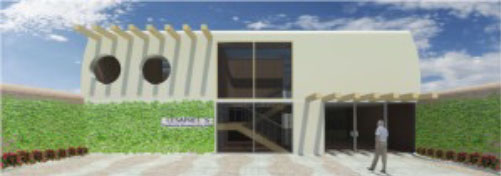

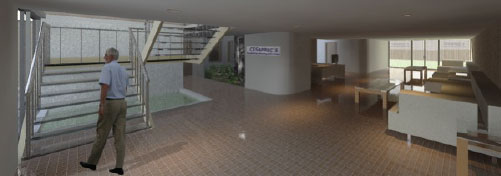
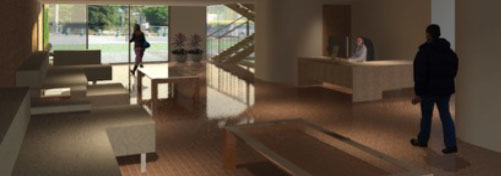
The objective is to create a sustainable alternative clinical care center by using solar energy and other ecological elements (such as recyclable construction materials, responsible waste management, among others) in low-income communities.
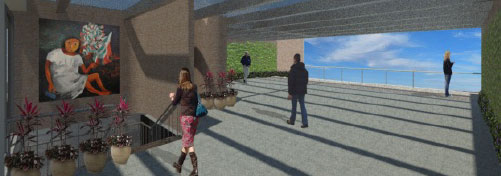
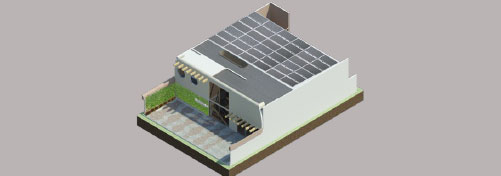
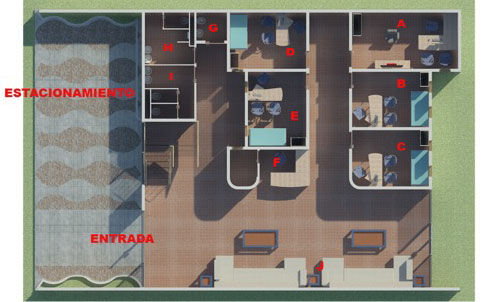
First Floor Details:
- A — Office for Nonlinear Magnetic Resonance (Metatron) and preventive diagnostics.
- B — Office for high-sensitivity thermography for the early diagnosis of breast neoplasms.
- C — Rife frequency emission therapy room.
- D — Office for kinesiology diagnosis and magnetotherapy.
- E — Acupuncture office.
- F — Reception area.
- G — Accessible restroom.
- H — Men’s restroom.
- I — Women’s restroom.
- J — Waiting room.
Memberships
Being a member of the foundation offers benefits such as:
- Guidance and support for the development of therapeutic skills.
- Discounts on courses, workshops, conferences, and more.
- Discounts on products.
- Personalized identification card.
- Membership valid for one year.
- Inclusion on the website as a therapist for professional promotion.
- Employment preference at CESAPREC’s Community Preventive Health Centers.